
Border Compliance
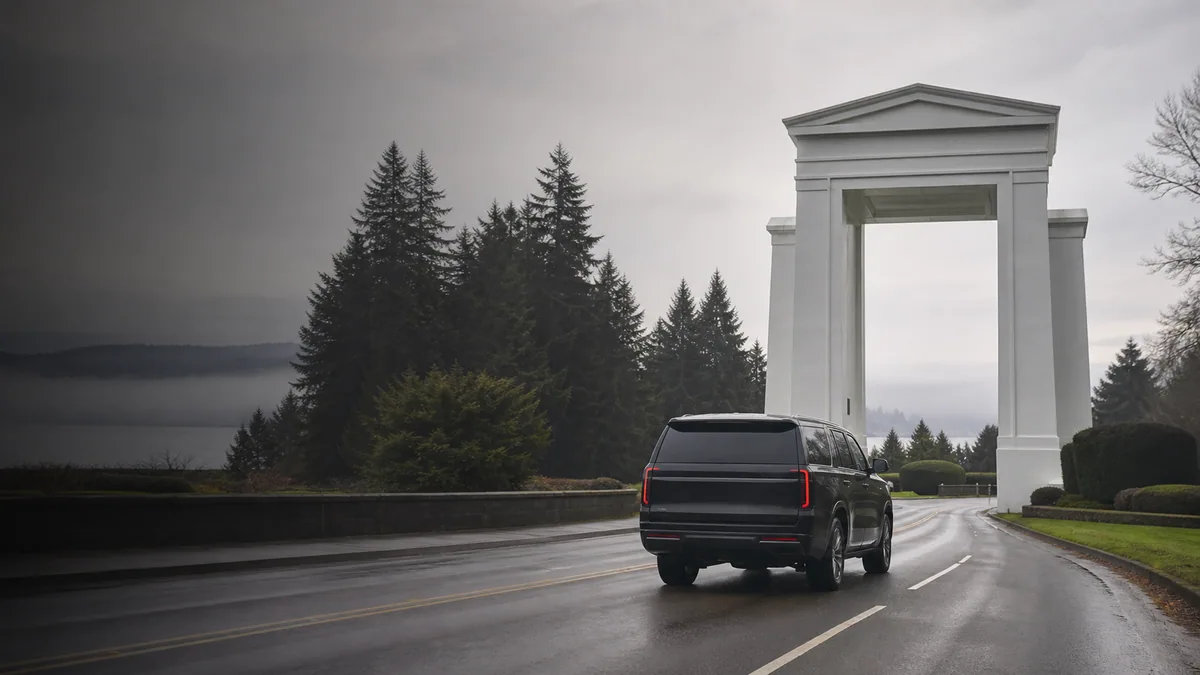
Peace Archand Pacific HighwayCrossing Guide
Guidance for Vancouver to Seattle executive transfers using Peace Arch, Pacific Highway, NEXUS preparation, and planned cross-border routing.
- Exact-address pickupEntrance confirmed
- Border routeCrossing options planned
- Sedan / SUV / SprinterMatched to passengers
- Timing reviewDelay-aware pickup
How do Peace Arch and Pacific Highway differ for a private transfer?
The Vancouver to Seattle executive corridor depends on border timing, lane selection, passenger documentation, and route planning before the vehicle reaches inspection. Peace Arch and Pacific Highway can both support private cross-border movement, but they behave differently during peak travel, cruise traffic, weekend volume, and weather events.
For tech executives, founders, board members, and visiting clients, no responsible operator should promise a fixed crossing time. The better plan is schedule reliability: capture the itinerary, remind passengers to keep required travel documents ready, select the right border approach, and keep communication open before the vehicle commits to the crossing path.
For Seattle-specific fleet coverage and local executive scheduling, planners can also review Seattle executive car service options through our West Coast partner.
Peace Arch routing
Peace Arch is commonly associated with passenger movement between Metro Vancouver and the Seattle region. It can be useful when route geometry, traveler familiarity, and border conditions support a clean approach.
Metro Elite treats Peace Arch as a live route decision. Passenger volume, lane status, inspection staffing, special events, holiday traffic, and roadway incidents can change the practical route choice quickly.
Pacific Highway routing
Pacific Highway can be preferable when commercial movement, route reliability, or live wait conditions make it more reliable than Peace Arch. For executive transfers, the benefit is often predictability of approach rather than raw distance.
The chauffeur should receive route instructions before departure, not while merging near the border. Passenger communication should include which crossing is planned, what documents must be ready, and when route changes may be made.
NEXUS integration
NEXUS can reduce inspection time only when every relevant passenger is eligible, documents are current, declarations are appropriate, and lane availability supports use. A NEXUS card does not override officer discretion or admissibility requirements.
For mixed passenger groups, do not assume expedited routing. One non-eligible traveler can require a standard inspection path. Assistants should ask each traveler to confirm credential status before the vehicle is assigned.
Route and lane readiness
Professional routing starts with the details that affect the border approach. Share passenger count, travel document reminders, luggage, business materials, meeting deadlines, and whether the itinerary includes SEA, BLI, YVR, downtown Seattle, Bellevue, Redmond, or Vancouver offices.
Before departure, the driver should understand the intended crossing, alternate crossing logic, and escalation path if wait conditions change.
Executive transfer checklist
- Confirm legal names, passenger count, pickup address, final destination, and meeting deadline.
- Confirm passports, visas, NEXUS credentials, declarations, and business materials before departure.
- Identify whether Peace Arch or Pacific Highway is preferred before the vehicle is staged.
- Keep documents physically accessible before inspection.
- Build schedule margin around the meeting time, not around a best-case border assumption.